Saturday, November 1, 2014

Biopiracy


Biopiracy refers to the “the appropriation of the knowledge and genetic resources of farming and indigenous communities by individuals or institutions that seek exclusive monopoly control (patents or intellectual property) over these resources and knowledge” (etcgroup.org).  Furthermore, it is also the use of wild plants by worldwide businesses and corporations to develop products like medicines, compensation to the countries or indigenous people from where they obtained these plants.  Biopiracy is such a problem because large companies are reaping huge profits from taking, using, and exploiting the information and biological resources of poorer countries and villages.  These “plant transfers” have been happening for hundreds of years, and some of the most prominent plants today have been biopirated. 


One historical example of biopiracy is of the plant rubber, where Henry Wickham, and Englishman sent by Kew Gardens and the India Office, took about 70,000 rubber tree seeds from the Amazon region and brought them to Kew where they were then sent to plantations in their British colonies in Malaysia.  This devastated economies in the Amazon region, where the tree rubber production was a dire part of their capital.  While it took about 20 years for the plants to grow and become ready to cultivate, these British plantations would completely take over the monopoly on rubber, ruining the Amazonian economy.  Wickham’s successful feat of stealing rubber seeds was seen as heroic in the British eye, where he was even knighted by King George V and known as the father of the rubber trade.  His legacy in Brazil, however, was not as well received.  Wickham was despised by the country, where they dubbed him as the “Executioner of Amazonas” (joejacksonbooks.com).

Another example of biopiracy was of the Cinchona tree, which is used as a remedy for malaria.  Quinine was the first effective treatment found for malaria.  The drug, resulting from the bark and sap of the Cinchona tree, also known as “Jesuits Bark.”  Natives originally used the plant as treatment for fevers, where it was known to control shivering.  Once it was found to be a treatment for Malaria, one of the deadliest diseases in the history of mankind, it became extremely desired.  It is also very bitter, and became the primary ingredient in tonic water.  Like rubber, the Royal Botanic garden of Kew was responsible for the biopiracy of the plant.  Charles Ledger smuggled a myriad of seeds where Britain began their own growth and cultivation of the tree.  After just sixty years, Britain controlled almost 95% of the world’s quinine (amazonlink.org).
 
To conclude, biopiracy is extremely detrimental to third world country’s economies and cultures.  The history of Wickham, Ledger, and Britain’s plant smuggling as a whole tells a tale of exploitation, idealistic patriotism, determined imperialism, and immense greed.


Check This Site Out! For more info on Biopiracy!
http://www.twnside.org.sg/title/pat-ch.htm


 Sources:

http://www.amazonlink.org/biopiracy/biopiracy_history.htm
http://www.etcgroup.org/issues/patents-biopiracy

Photo Links:
http://simbahayan.tripod.com/adm/interstitial/remote.gif
http://s3.amazonaws.com/rapgenius/1378119193_rubber-tree1.jpg
https://www.prairiemoon.com/images/D/Parthenium-intregrifolium-Wild-Quinine-flower-closeup.jpg

Saturday, October 18, 2014

Which Plant Has Had The Greatest Impact On World History?

The argument can go on and on regarding which plant has had the greatest impact on world history.  While personally, my biased answer is tobacco because it basically founded and developed America, I will discuss how grains (barley, wheat, and other cereals) had one of the greatest impacts on world history, and still have a humongous impact on history to this day.

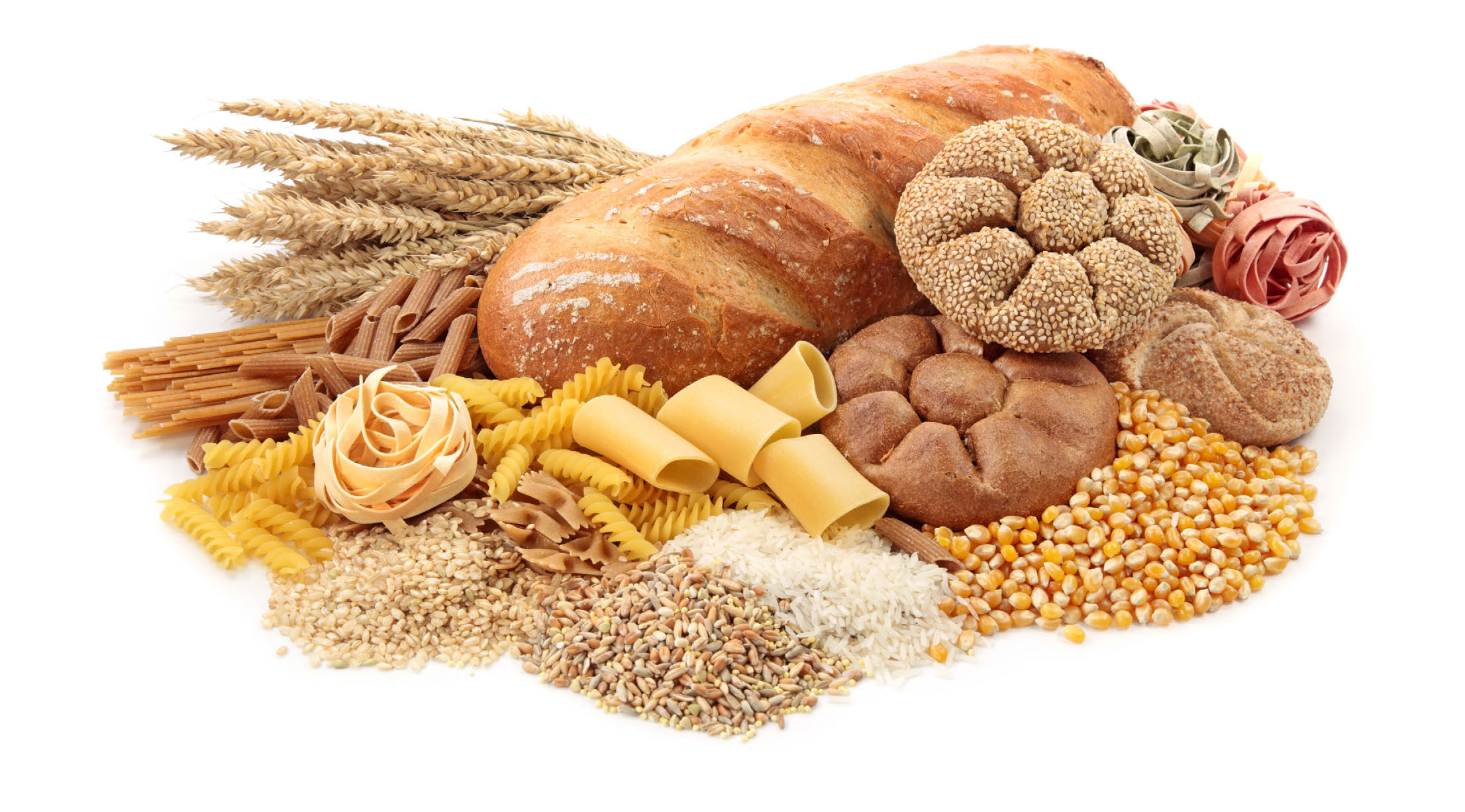
Grains are without a doubt one of the most essential food crops on this planet.  They provide a support or “staff” of life for the majority of individuals on Earth.  Historically, cereal grains have fueled the growth of civilization, and as societal development and population continue to grow, the world’s dependence on grains is inevitable.
            
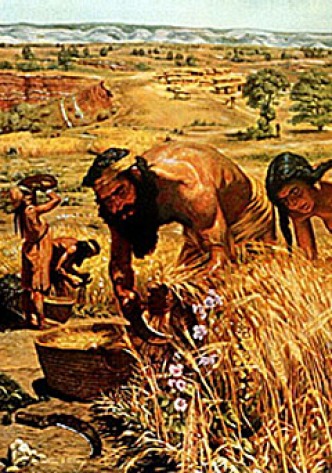
The importance of the Neolithic Revolution is monumental.  It marks a turning point for humanity where the domestication of plants (grains) and animals led to a change in everyday lifestyle from nomads and hunter gatherers to farmers and villages.  The domestication of these cereal grains (paired with the domestication of animals) allowed people to provide more food for themselves, leading to an increase in population, where people began living closer together, increasing communication and building society.  As society developed, new ideas led to greater efficiency, leading to larger populations, more buildings, writing, currency, governments and so on.

            
From the domestication of grain came the inadvertent creation of beer, which apparently where barley in a pot combined with rainwater and wild yeast yielded this fine drink.  The importance of beer was humongous as well; hundreds of years later when people started to boil and brew beer in Mesopotamia it was actually very important because it was a safe alternative to dirty water.


To conclude, the importance of grain leading to the domestication of plants and animals and the Neolithic Revolution was a vital part in human history.  Without grains and the Agricultural Revolution, civilization would not be where we are today.


Check this site out! http://studymagazine.com/wp-content/uploads/2011/04/Beer-Making-Programs.jpg

Photo Sources: http://genesisgroup.weebly.com/uploads/4/0/2/9/4029310/3458986.jpg?332
http://onebuffmama.files.wordpress.com/2013/07/grains.png

Saturday, October 11, 2014

The Lasting Legacy of the EIC


There are few companies in history that were as powerful and prominent as the British East India Company (EIC).  The company name was officially established in 1600 and was made up of London merchants who initially wanted to capitalize on the opportunity to import spices from Southern Asia.  What unfolds over the next hundreds of years is a tale of trade and exploration, in hopes to achieve wealth and expansion through trade commodities like cotton, spice, tea and opium.  This group of merchants crafted a business that vastly exceeded their highest expectations, connecting foreign markets and uniting people from different cultures to help grow and maintain the British Empire.

While the spice trade initially brought in capital and was the primary commodity for the growth and expansion of the EIC, but both cotton and tea soon after became necessities for the British and were essential in foreign trade.  The EIC became so successful, and had so much power, that it basically took control of India where they signed a treaty gaining exclusive rights to live there and build factories, exploiting cheap labor and fertile soil.  While at first the company would purchase Indian silks, they now had control of their own factories, thus generating a monopoly over Cotton sales and trade, where they would grow and cultivate the cotton and export it back to England.   


Trade with China: China tried to keep the Tea Plant a secret, where they completely controlled the tea market.  In 1684, the EIC gained permission to trade with China, importing tea to England where it soon spread like wildfire.  The demand for tea in England was enormous.  By 1750 annual tea imports reached a breathtaking amount of 4,727,992 lbs (tea.co.uk).  However, with China still keeping tea a secret, they had strict trade stipulations where they would only accept silver or gold as a payment.  In search for a substitute for silver or gold, the EIC began to exploit the Chinese demand for opium, selling the plant/drug to private merchants directly for silver.  The EIC shortly thereafter established a monopoly on opium and trade with merchants for silver so that they could purchase tea.  While it may not be seen completely legal, it was an extremely smart business strategy to exploit Chinese addiction to opium and generate profit by indirectly selling opium to China.  Subsequently, the EIC wanted to cut off the middleman and sell opium directly to China, which created enormous conflict leading to two opium wars.  


With help from Robert Fortune, the EIC was able to bring tea seeds back to India where they began to plant and cultivate tea on their own.  From this, they no longer had to depend on China for trade.  The company dissolved in 1874, with the East India Stock Dividend Redemption Act of 1873, but their legacy will live in forever.  The EIC was a pivotal business in history, bringing people together, merging cultures, funding exploration to new worlds, and generating mass amounts of capital.

Check this site out for more information on the EIC!
http://www.tea.co.uk/east-india-company

Links to Photos: http://img3.wikia.nocookie.net/__cb20100827144419/pirates/images/3/38/Logo_eitc_emblem.jpg
http://www.portcities.org.uk/london/upload/img_400/H5964.jpg
http://philebersole.files.wordpress.com/2013/02/chinese-opium-smokers.jpg

Saturday, September 27, 2014

Importance of Barley


How important is barley to mankind?  It is an extremely versatile cereal grain that can be used in a multitude of foods, as animal feed, and is one of the direst ingredients in the beer making process.  Barley has many uses from skincare to hair benefits to health benefits, where it has a great source of nutrients, antioxidants and minerals. When we take a look back in history, barley grains can be traced back to 10,000 BC in Southwest Asia in an area known as the “Fertile Crescent” where it was one of the first cultivated plants.  With a post-Ice Age climate, the area was warm and steady, yielding perfect conditions for barley cultivation.  From this easy cultivation, nomads began transitioning from hunter-gatherers to agriculture and farming.  Barley domestication led to domestication of other plants and animals, and a new form of society and living known as the Neolithic Revolution.


Barley is the fundamental raw material in beer.  Brewing dates back to Mesopotamia where this “barley water” would be used for various ways: from just a normal drink to medicinal purposes where it was even considered “healthier than water.”  Different types of barley are used to produce different types of beers.  The process of malted barley is when you allow the barley seed or grain to germinate (sprout) to a certain point where it is dried after.  The seed is soaked in water for about 40 hours, then drained and held at a steady temperature for about 5 days until it begins to sprout.  The barley is then dried slowly for about 30 hours.  This germination process converts the starches to sugars by enzymes that are created during the process, in order to be turned into alcohol by the yeast.


Carlsberg prides themselves in their brewing quality, especially with their cultivation of raw materials like barley.  The company does not genetically modify their crops, but have researchers developing this technology in case it becomes okay to use in the future (which they believe it will be).  They have the largest R&D and laboratory for brewing in the world.  Carlsberg Laboratory identifies “advantageous trains in barley mutants, old cultivars and elite varieties” and “by incorporating these traits we secure well adapted barley varieties for the future” (carsberglab.dk).


Barley is a wonder-plant that is currently the fourth largest crop in the world.  It has a quicker growth period than most crops and is able to be grown in a multitude of climates, able to resist drought and colder temperatures.  Barley led to the domestication of plants and animals and a change in living conditions that was monumental.

Barley Fun Facts!
1) Breakfast cereals often contain barley, either directly or as a malt
2) Different flavors in whisky are imparted by differing malts
3) Pearl barley is ground to remove the outer husk.  It has been a common ingredient in our diet for centuries
4) Barley is often grown for animal feed on a farm but is a common ingredient in many sorts of animal feed like dog food
5) Barley flour is not often used for baking, but does find its way into specialty breads

Source: http://www.ukagriculture.com/food/fast_facts.cfml?Food_name=Barley

Picture Sources: http://www.starch.dk/isi/starch/img/barley.JPG
https://blogger.googleusercontent.com/img/b/R29vZ2xl/AVvXsEh0rjA3FV4MFyF5OygVhSZ6lftlsi6ryOxLgRUQCP1un99QcytqLNaiSe8cvhK_09J1hndHro9ZWwp3t6GDKjlpTQODJw_0Qy1DgeMdJTEuMqxibyn11O65N_9OQejo1UZJnjFzDZfOxQRc/s1600/Pearled+Barley+vs.+Hulled+Barley.JPG
http://www.faceofmalawi.com/wp-content/uploads/2014/08/carlsberg.jpeg
http://timeforhistory.weebly.com/uploads/1/3/5/9/13599610/2517816_orig.jpg

Check this site out! http://www.carlsberglab.dk/Pages/default.aspx